

Em mais uma importante parceria do Instituto Galo com o Instituto Mário Penna, agasalhos e cobertores foram arrecadados e distribuídos aos pacientes e acompanhantes da instituição. A campanha “Doe Proteção” foi de extrema importância, principalmente após a cidade passar por uma frente fria nas últimas semanas.
“Neste momento em que o mundo está em grande confusão, onde as nações não se entendem e as pessoas não se entendem, é importante essa união. Isso aqui é um gesto que a gente faz de forma desprendida e espontânea para ajudar as pessoas”, afirma José Murilo Procópio, Vice-Presidente do Atlético Mineiro.
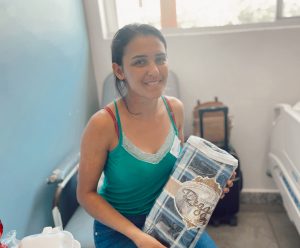 Ações como essa são essenciais para garantir um atendimento acolhedor e humanizado aos milhares de pacientes oncológicos que passam diariamente no Mário Penna. “Receber esses cobertores é uma forma de cuidado sensacional. Fico muito agradecida por mim e pela minha mãe que está se recuperando aqui”; afirma Lidiane Silva, filha de uma paciente oncológico.
O sentimento é de gratidão em poder contar com parceiros tão empenhados e dispostos a proporcionar o melhor aos pacientes do Mário Penna. Unidos por uma causa em conjunto, os resultados foram extraordinários.
“O frio chegou e pegou muitas famílias desprevenidas, em condições de vulnerabilidade social. Com isso, muitos acompanhantes e pacientes vieram para uma consulta no Instituto e acabaram tendo que permanecer sem preparo algum. Por esse motivo, a doação se faz tão importante. Além de aquecer do frio, aquecemos os corações com carinho e cuidado, importantes aliados no enfrentamento de momentos difíceis.”