


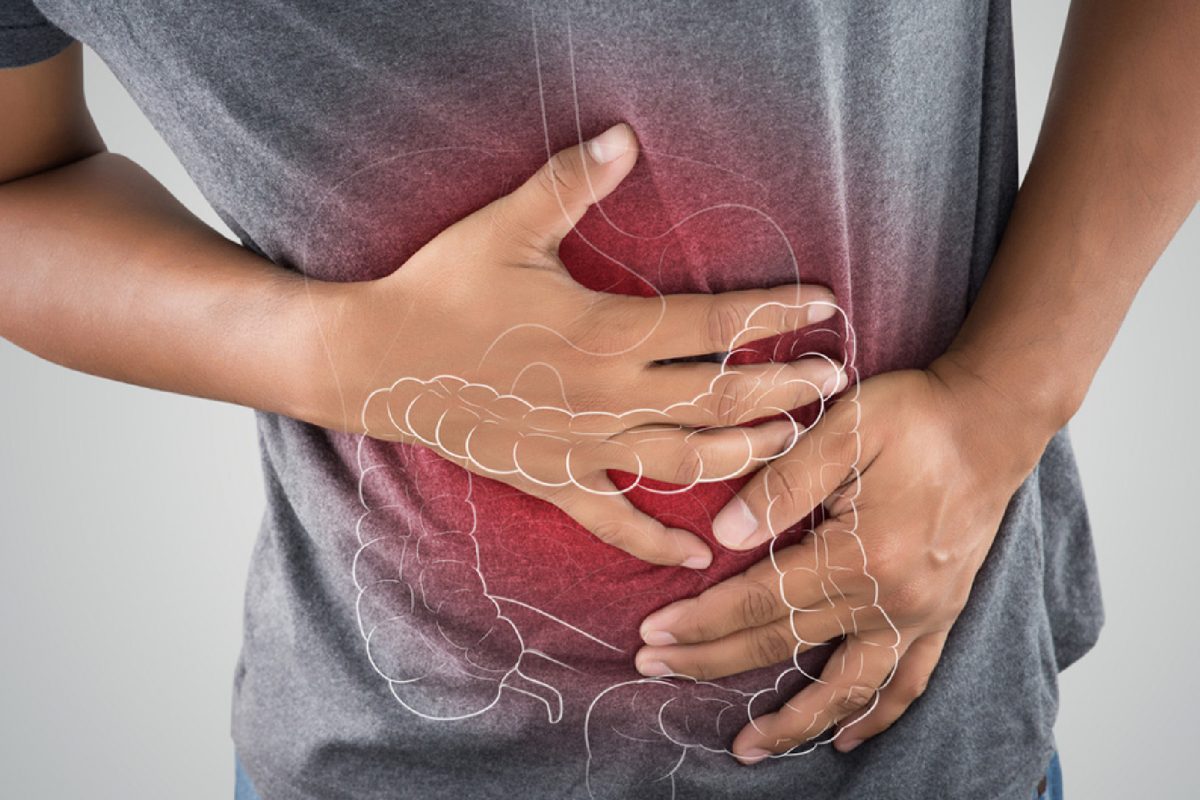
Represented by the green ribbon, the month of September marks the Campaign for the Prevention of Bowel Cancer, also known as colon and rectal or colorectal cancer. This disease covers all tumors in the large intestine, rectum (immediately before the anus) and anus, and is the second type of cancer with the highest incidence in men and women in Brazil, according to the National Cancer Institute (INCA).
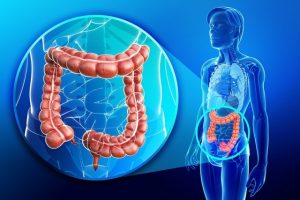 Bowel cancer is treatable through surgery and may later require chemotherapy and radiation therapy. Note that it is curable when diagnosed early. The main risk factors for the onset of this tumor are age equal to or greater than 50 years, excess body weight, a diet low in fiber and rich in processed meats, such as sausage, mortadella, ham and salami, for example, and excessive intake of red meat, above 500 grams of cooked meat per week.
The most common signs and symptoms that may indicate this disease are: blood in the stool, abdominal pain, weight loss, anemia and change in bowel habits, alternating periods of diarrhea and constipation. As these changes can indicate diseases other than bowel cancer, it is very important that they are investigated by a doctor, especially when they last longer than a week.
Stay tuned! This topic will also be addressed at Mário Penna Conecta on September 22 with Dr. Alice Capobiango.
- Text written by the Continuing Education team
 Dr. Letícia Braga, Coordinator of the Translational Research Laboratory of the Teaching and Research Nucleus (NEP), will be responsible for the activities at IMP. She explains that Biobanks consist of a sophisticated and well-organized system of programmed storage of biological material (blood, CSF, tumor and normal tissues) and corresponding data, which are accessible for scientific investigation and for the treatment of cancer.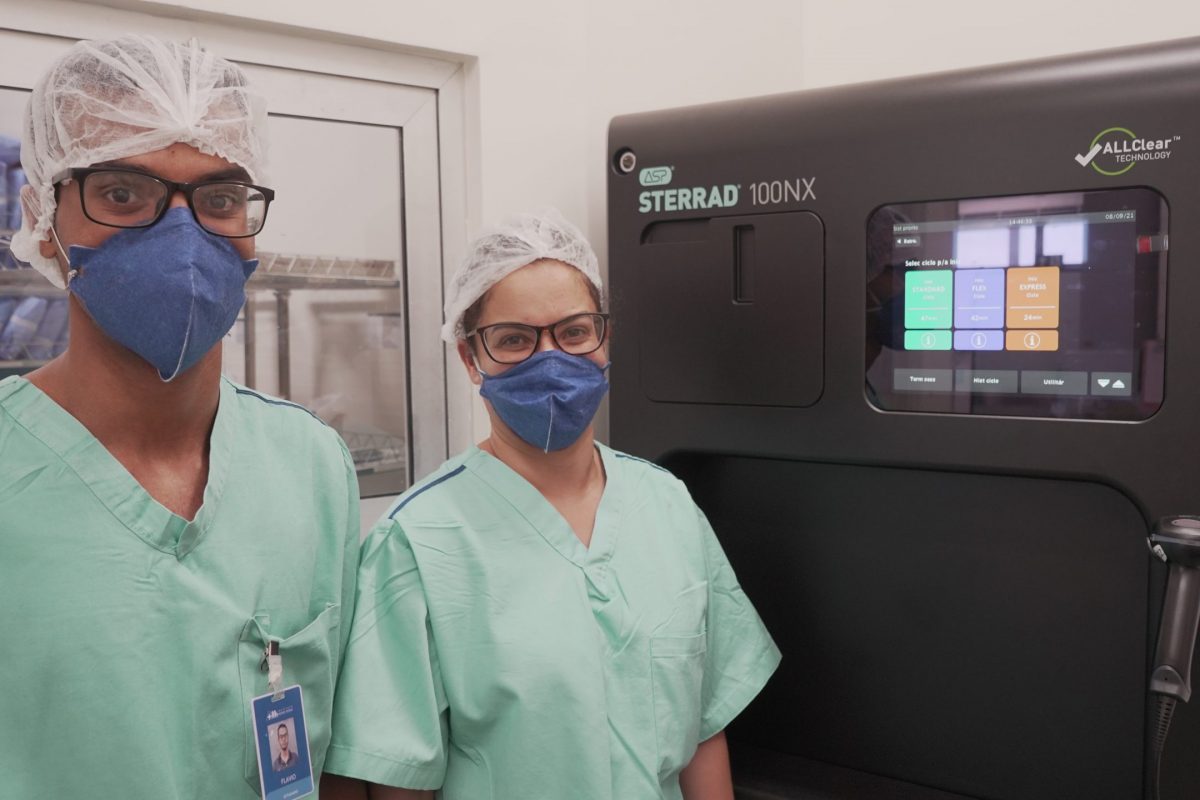
 Mariangela Moreira do Nascimento, Nursing Supervisor at the CME, explains that the STERRAD 100NX AllClear is a device that performs sterilization at low temperature with hydrogen peroxide plasma gas, in a safe way, without leaving toxic residues. “The arrival of the equipment will enable some improvements to the CME, such as a reduction in sterilization time, quality assurance, patient safety through the traceability of the processing of health products.”


 The next meeting takes place this Wednesday, September 15th. The theme is “Asco 2021 Updates on HR+ and HER- Breast Cancer”, with the participation of Dr. Israel Vilaça (Oncologist at IMP); Dr. Rafael Borges (Radiotherapist at IMP); and Dr. Ana Luiza Freitas (Mastologist at IMP. The meeting is supported by the Novartis Laboratory.