


Julho Verde arrived and with it a very important action embraced by Instituto Mário Penna: the campaign to prevent head and neck cancer. This is the name given to tumors that involve the airway-digestive tract region, such as tonsils, mouth, cheek, pharynx, gums, larynx, tongue and paranasal sinuses, and skin tumors in the face and neck region.
Focused on prevention and early diagnosis, the Institute launches its campaign with the slogan “Be aware of the signs”.
Throughout the month, shades of green and #stayatentoaosinais will take care of the Institution and our social networks.
According to the National Cancer Institute (Inca), head and neck cancer appears as the fourth highest incidence. In Brazil, more than 40 thousand people receive the diagnosis each year. In 2020, Instituto Mário Penna performed more than 6,000 consultations and 762 surgeries for these patients.
Be aware that symptoms are very common and can be confused. They are: hoarseness, pain or difficulty in swallowing for more than 15 days, mouth sores that do not heal or nodules (lumps) in the neck.
To prevent, maintain good hygiene and oral health, have a balanced diet rich in nutrients. Avoid prolonged sun exposure, excess alcohol and do not smoke.
 Our team is made up of renowned surgeons in head and neck cancer, including doctors Alvimar Afonso, Lysio França, Lorenzo Testolin, Rafael Malheiros and Sérgio Negri.
“The surgeon is the most suitable professional for diagnosing and staging tumors that affect the region, in addition to performing surgical treatment modalities. The physician has the essential role of helping the patient to decide the best form of treatment for each individual case”; explains Lorenzo Testolin, surgeon and head and neck surgery residency coordinator at Instituto Mário Penna.
In addition, it is up to the physician to indicate the intervention of the Institute’s multidisciplinary team – formed by psychologists, physiotherapists, stomatologists, speech therapists and nutritionists – who will monitor each patient, according to their need.
Late diagnosis leaves sequelae in 60% of patients. Pay attention to your health. In case of discomfort or suspicion, seek medical attention. Diagnosed early, cancer is curable!
Click here and learn more about ways to prevent
Our service
Head and neck cancer patients at Instituto Mário Penna also have the support of our multidisciplinary team, made up of psychologists, physiotherapists, stomatologists, speech therapists and nutritionists. Learn a little more about the importance of each one.
Psychology: The diagnosis of cancer has a great physical and emotional impact. We are ready to help the patient with doubts and support decisions. The patient does not need to go through this difficult time alone.
Physiotherapy: Cancer of the larynx (vocal cords) brings radical changes in the way you breathe and swallow. Thus, associated respiratory diseases are common. We have an innovative project that provides outpatient physical therapy consultations for specific monitoring of patients with laryngeal cancer. This work is extremely important in the patient’s recovery and, thus, reducing hospitalizations. Care encompasses respiratory rehabilitation through specific exercises and guidance to improve the quality of life of the patient and family members involved in the treatment.
Stomatology: It is the specialty of dentistry that prevents, diagnoses and treats diseases that manifest in the mouth. It is of paramount importance in the care of patients, especially those undergoing chemotherapy and/or radiotherapy. These treatments can evolve with mucositis, compromising oral function (chewing, swallowing and pain when swallowing). Through stomatological treatment with medication and laser therapy, the effects of cancer treatment are mitigated, making it faster and more comfortable for the patient.
Speech-language pathology: The speech-language pathologist is essential in the assessment and treatment of patients affected by head and neck cancer. Such diseases can compromise voice, speech and nutrition, requiring adjustments and rehabilitation, regardless of the treatment modality. With speech therapy rehabilitation, patients can regain their communication, pleasure and security when eating.
Nutrition: The evaluation of a nutritionist is extremely important during the illness. Early nutritional support can reduce weight loss before, during and after completion of treatment, providing better results and better quality of life. About 80% of cancer patients are malnourished at diagnosis. This is due to an imbalance between intake and nutrient requirements, and is associated with increased morbidity and mortality – worse outcome.
Mário Penna Institute Choir
The discovery of laryngeal cancer could be the end of the voice for many people. For fourteen patients who lost their voice due to this type of cancer, it was the opportunity to learn to sing. They are part of the Mário Penna Institute’s Laryngectomized Choir and were reborn from singing.
The patients in the group underwent surgery for the total removal of the larynx – a procedure called “Laryngectomy” – completely losing their voice. However, with rehabilitation through esophageal voice acquisition or tracheoesophageal prosthesis implantation, they were able to resume communication.
The Mário Penna Institute, focused on excellence in care that includes diagnosis, treatment, rehabilitation and reintegration into society, is the only one in the capital that offers this service through the SUS.
These patients/singers have enchanted wherever they go and draw attention for the joy, pride and optimism with which they face life.
Coral has an important ally, Caixa Econômica Federal, responsible for 30% of its funding.
Electronic Larynx
The Mário Penna Institute reaches an important milestone in the history of SUS, being the first to receive Electronic Laryngs for patients undergoing surgery and who need rehabilitation for the use of their voice. The Mouth and Throat Cancer Association (ACBG) Brazil has been at the forefront of the fight to insert the device in the SUS table for years and approval was achieved in January 2021.
The electronic larynx, in addition to being a highly successful method in the rehabilitation process, provides the patient with conditions to resume their oral communication through the use of a device that produces a mechanical vibration and, when placed in contact with the skin in the region of neck, cheek or intraoral, produces a vocalization that is robotic and understandable, but in proportion to the tracheoesophageal prosthesis.
“It is a very important moment for Instituto Mário Penna. We have been fighting for years for this achievement by the SUS so that laryngectomized patients can speak again and express their feelings. Everyone will be covered, from the oldest to the newly operated. They will be trained in outpatient speech therapy, according to the rehabilitation program proposed and prepared by our team, which ranges from knowledge of the instrument’s potential to the acquisition of practice for its fluent use”; emphasizes Dr. Lorenzo Testolin.
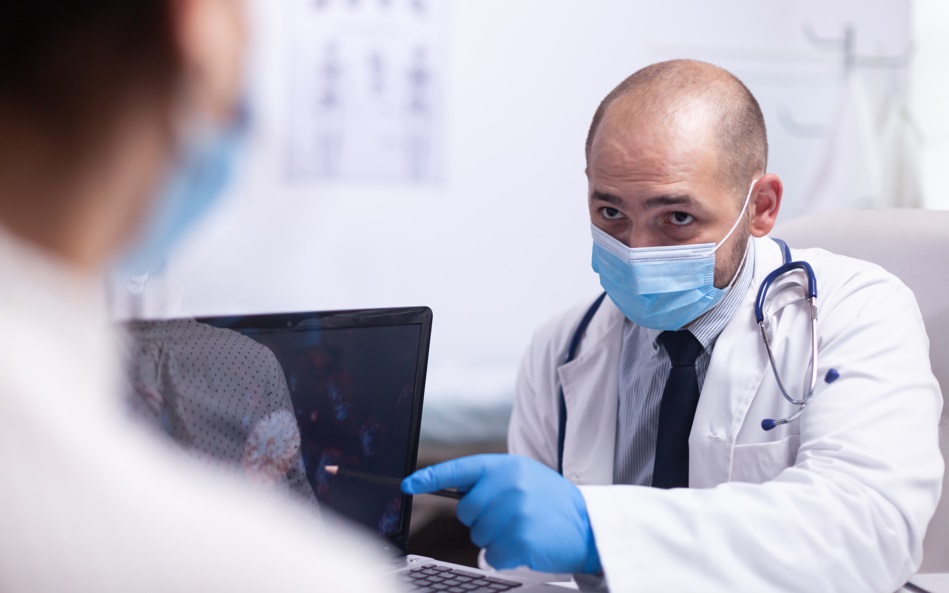
 A research volunteer, also known as a research participant, is a person who agrees to use a new drug that is in the testing phase and that may be beneficial for the treatment of cancer. The identification of potential volunteers is carried out by the team of oncologists who indicate those who can participate in the studies. For this invitation it is necessary to check three fundamental points:


 The action was carried out with clothes donated by Instituto Galo. The Solidarity Clothesline was conceived and monitored by the Services Manager, Sérgio Lopes Magalhães, who insisted on taking care of all the details.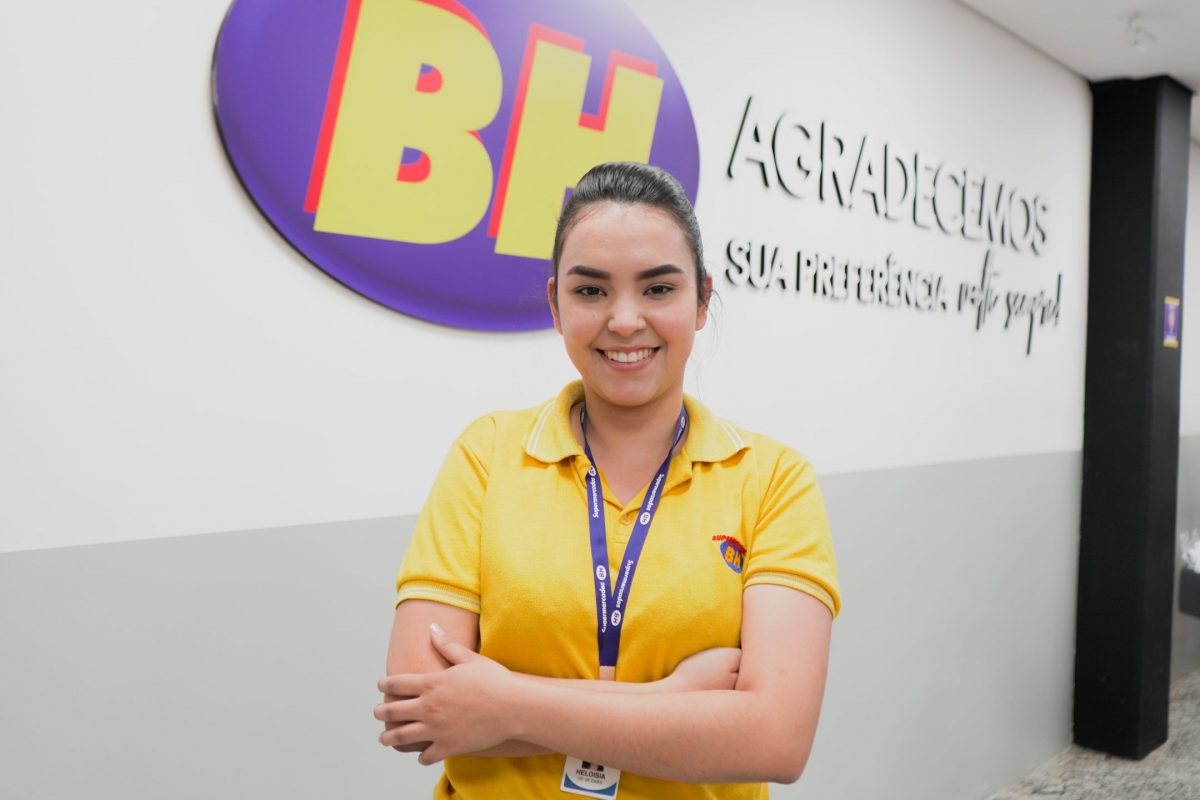
 Every coin donated by customers makes a difference for those who are treated at IMP. The monthly transfer is essential so that patients receive a dignified, quality treatment, accompanied by a team of renowned multidisciplinary professionals and in a humanized manner.