

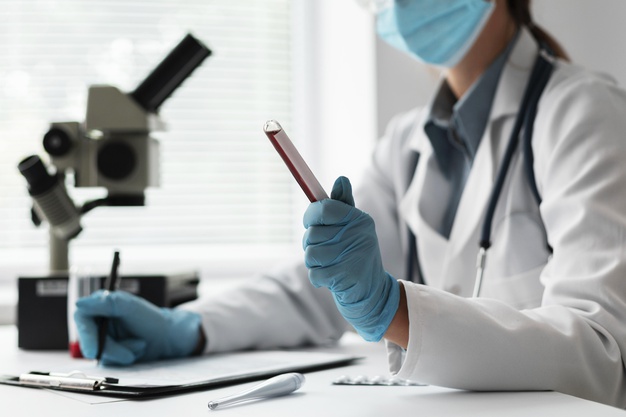
National Science Day and Researcher Day are celebrated on July 8th. The date was created to highlight the importance of science for the country’s development, stimulate the interest of young people and disseminate scientific knowledge to society. Instituto Mário Penna has a Teaching and Research Nucleus (NEP) composed of a team of researchers dedicated exclusively to the development of scientific projects and clinical research applied to oncology.
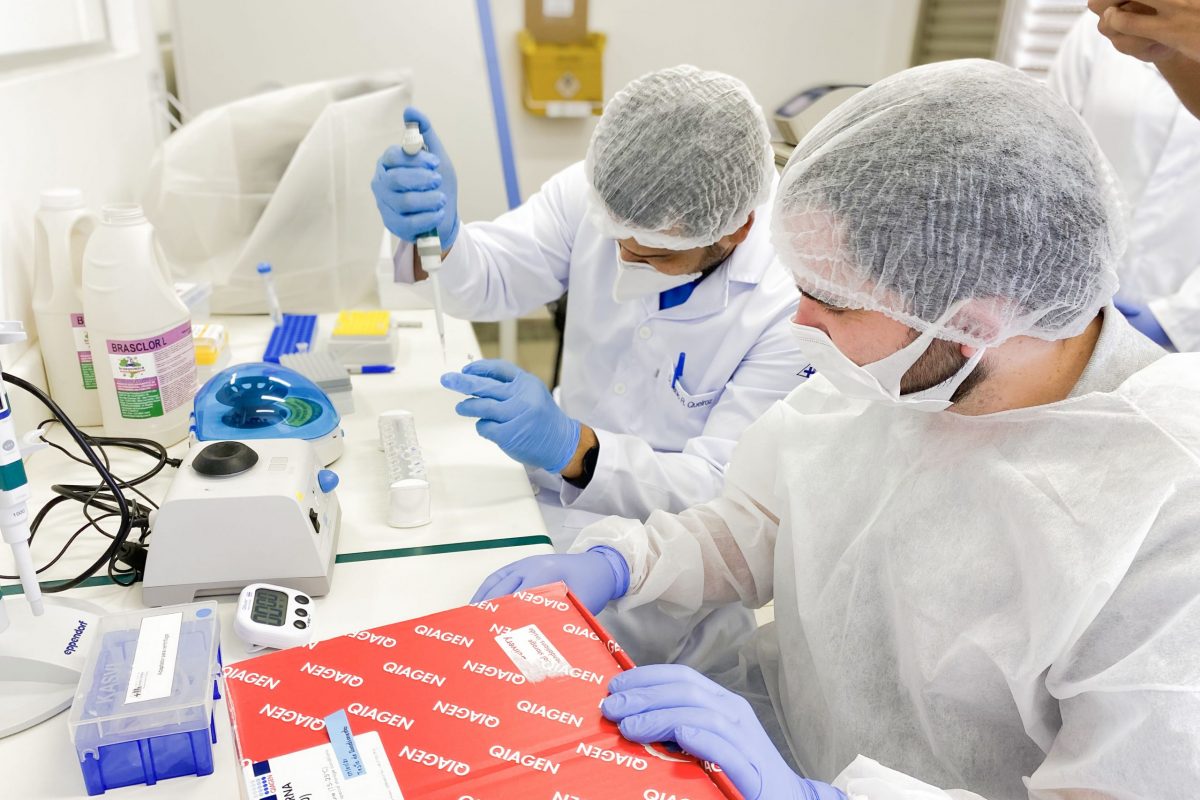
 The NEP was founded in 2015 with the purpose of acting in the investigation and production of scientific data. “Over the years, we have been generating knowledge and advances in the field of oncology, based on basic, translational and clinical research”; explains Dr. Paulo Guilherme, pathologist and Director of the Teaching and Research Center.
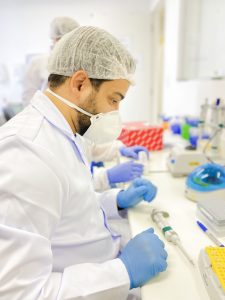
In Basic and Translational Research, the projects under development aim to identify cancer markers capable of offering a better quality of life to cancer patients, as well as supporting medical decisions. The research results should allow for an increasingly personalized medicine for the treatment of cancer patients. Currently, two projects approved by the National Oncology Care Program (Pronon) and dedicated to the research of biomarkers in female cancers (cervical, breast and ovarian cancer) and to the implementation of the first tumor bank in the State of Minas Gerais are underway. In addition, five doctoral and seven master’s projects are being developed, supervised by NEP researchers, in partnership with UFMG, UFU, Funed and Fio Cruz.
In Clinical Research, IMP researchers are currently working on three open studies for patient/volunteer recruitment: the Thor study for the treatment of bladder cancer and the Rigel and Kiniksa studies for the treatment of inpatients due to complications of cancer. Covid.
“In the coming months, we expect to open four more studies focusing on Covid’s treatment and another four to offer treatment for lung, cervical and bladder cancer”; emphasizes Dr. Paulo Guilherme.
 When our cells are going to multiply, whether to repair damaged tissue or to replace other cells, this genetic code needs to duplicate itself. This is important so that each new cell has the same genetic information as the one that originated it. During this duplication step, small errors can happen in the genetic code and they are called mutations.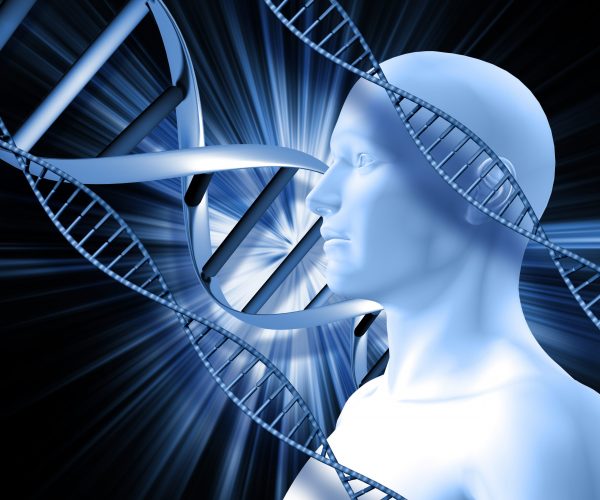
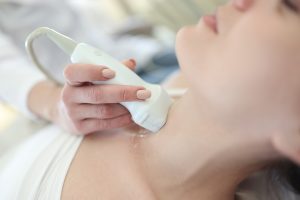
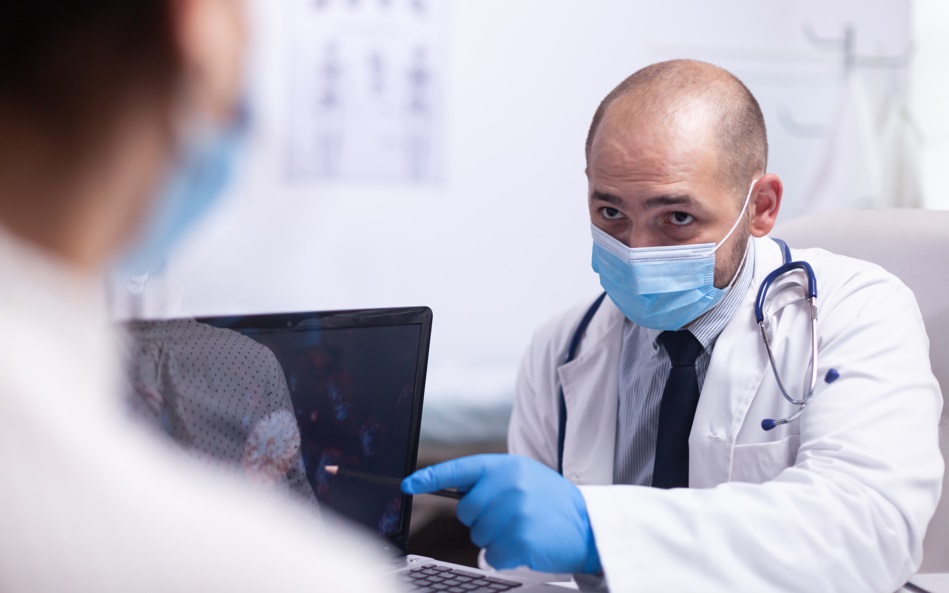
 A research volunteer, also known as a research participant, is a person who agrees to use a new drug that is in the testing phase and that may be beneficial for the treatment of cancer. The identification of potential volunteers is carried out by the team of oncologists who indicate those who can participate in the studies. For this invitation it is necessary to check three fundamental points:
 Dr. Letícia Braga, Coordinator of the Translational Research Laboratory of the Teaching and Research Nucleus (NEP), will be responsible for the activities at IMP. She explains that Biobanks consist of a sophisticated and well-organized system of programmed storage of biological material (blood, CSF, tumor and normal tissues) and corresponding data, which are accessible for scientific investigation and for the treatment of cancer.