


Genetic mutations can lead to the development of cancer and research shows that 66% of those that cause tumors are random, only 29% are linked to environment or lifestyle and only 5% are linked to heredity. But, do you know what mutations are?
All living beings have genetic material that is responsible for generating the organism and keeping it functioning. This genetic material works like a code that needs to be read and interpreted whenever a biological activity is needed in this organism. Each species has a genetic code that is its own and that is the same among all individuals of that species. However, each individual has small differences that distinguish them from each other. It happens to all of us too. We have the same genetic code, but each has small differences that make us different even when compared to our brothers.
 When our cells are going to multiply, whether to repair damaged tissue or to replace other cells, this genetic code needs to duplicate itself. This is important so that each new cell has the same genetic information as the one that originated it. During this duplication step, small errors can happen in the genetic code and they are called mutations.
Most mutations that occur are corrected or the cell is destroyed. However, some cells with mutations can remain in the body. Some of these mutations can bring advantages to living beings and this type of mutation is one of those responsible for the evolution of living beings, that is, they are legal. But some can be quite problematic and can cause serious problems, like those that trigger cancer.
Identifying these mutations is essential to understand the characteristics of the disease and propose increasingly individualized treatment methodologies, thus helping patients to have a more efficient response to available treatments and, consequently, to have a greater chance of cure. In addition, knowledge of mutations in tumors can also identify new types of treatment.
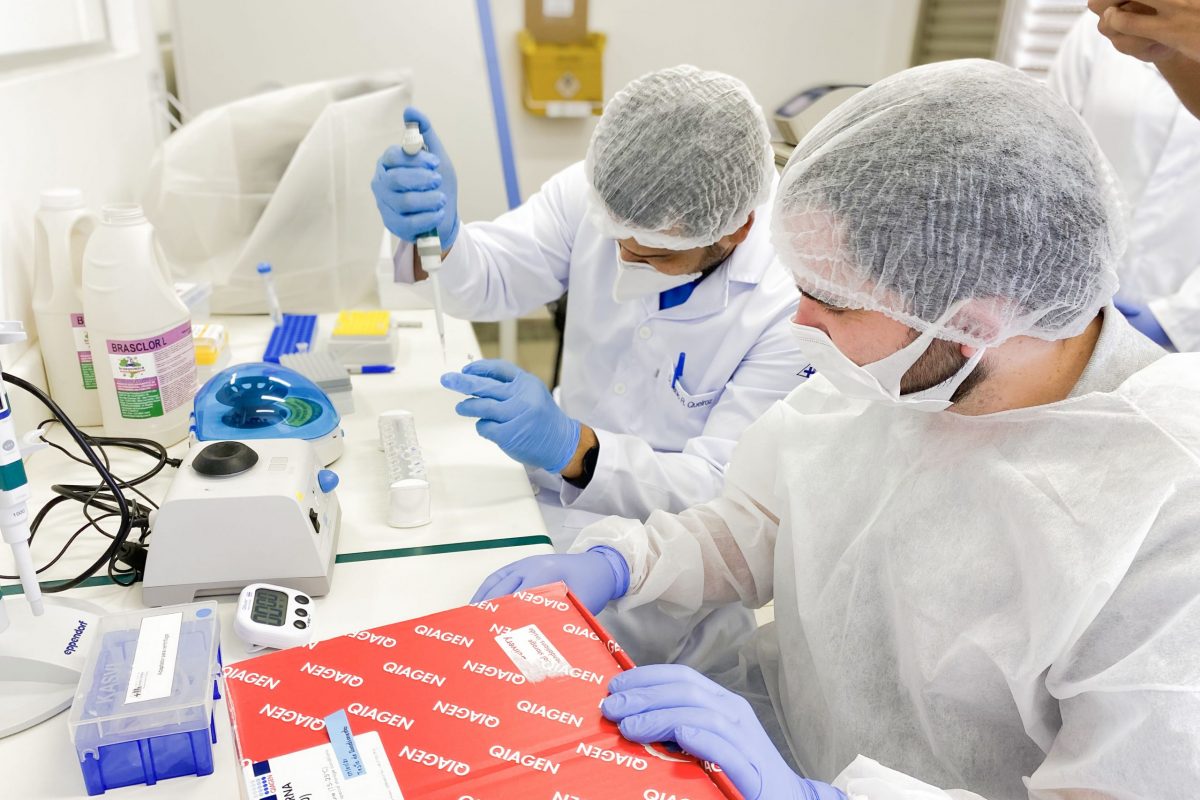
“Working at the frontier of knowledge and research on cancer and with the purpose of expanding this scientific knowledge, proposing solutions for the diagnosis and treatment of cancer patients, researchers from the Translational Research Laboratory of the Teaching and Research Center (NEP), are developing studies to assess the burden of mutations present in patients with breast and ovarian cancer; says Dr. Fábio Queiroz, one of the Laboratory’s researchers. The methodology applied in these surveys was developed by Qiagen™, an internationally renowned company in the production of biotechnology inputs.
*Text written by Dr. Fábio Ribeiro Queiroz
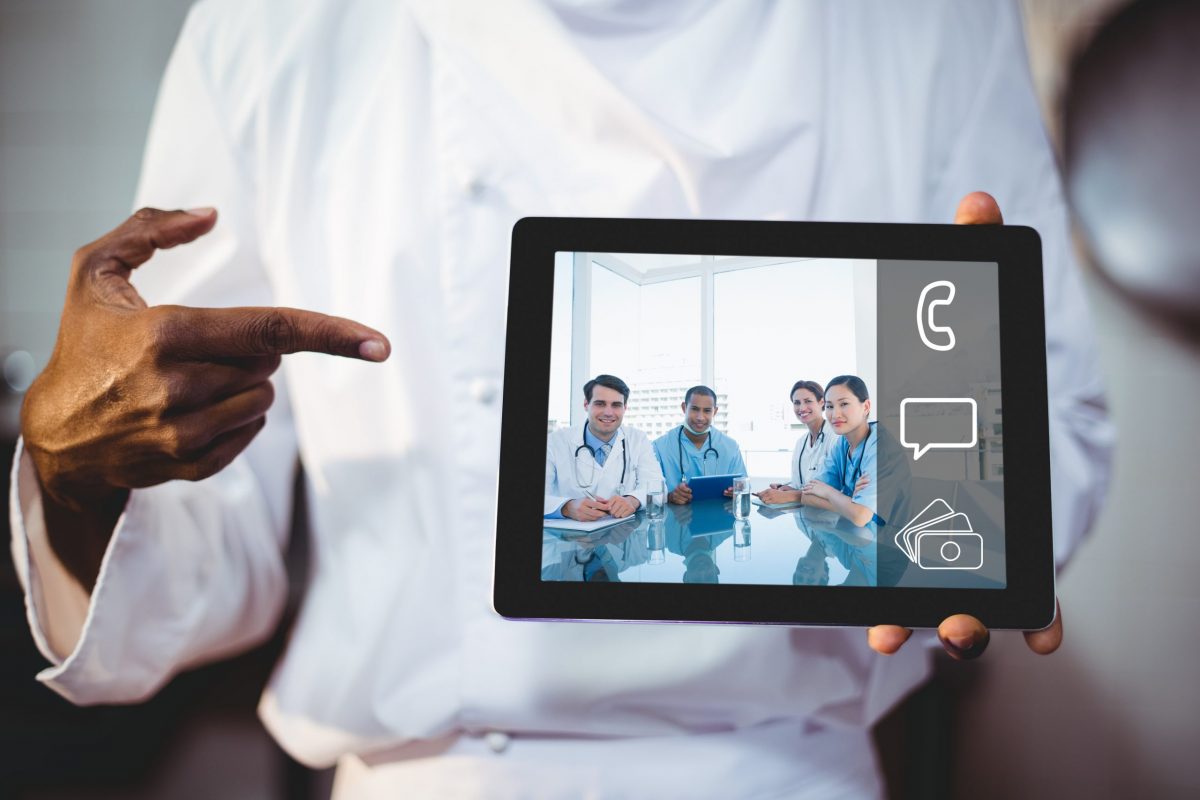
 According to Dr. Ellias Lima, oncologist and Coordinator of COREME, the objective is to bring the clinical staff together, promote medical residency, plan treatments in a multidisciplinary way, update and promote knowledge. The meeting is online on a remote digital platform and involves resident physicians, assistant physicians and preceptors. They take place once a month, with educational support from the pharmaceutical industry.
 Classified by the Ministry of Health as a High Complexity Oncology Care Center (CACON), in 2020 the Institute also carried out 272 thousand radiotherapy applications, 34 thousand chemotherapy sessions, 55 bone marrow transplants and almost 11 thousand surgeries. In addition, it is at the forefront in the fight against Covid-19 and, for this, infirmary beds and other new ICU beds were created, aimed at treating patients with the disease.
 Those responsible for the study explain that as it is an in vitro study, it presents some problems, such as the fact that the cells do not receive a uniform dose of radiation, with typical uncertainties in the order of 25% or more. As all biological phenomena are dependent on the radiation dose received by the cells, large uncertainties in the dose values cause a loss of correlation between the dose variable and the effects caused, generating false or not fully understood results.
 The dedication and commitment of all sectors were impeccable, which made the dispute even more fierce. There were little flags, balloons, typical games, gifts, scarecrow, cardboard city, small farm, garish, accordion player, square dance and even weddings. And patients were not left out. Each one, in their own way, participated in the bash. Some helped to make the decoration while undergoing a longer treatment, others were characterized in the beds, and there was even Rainha da Popcorn and Rei do Peanutim.